
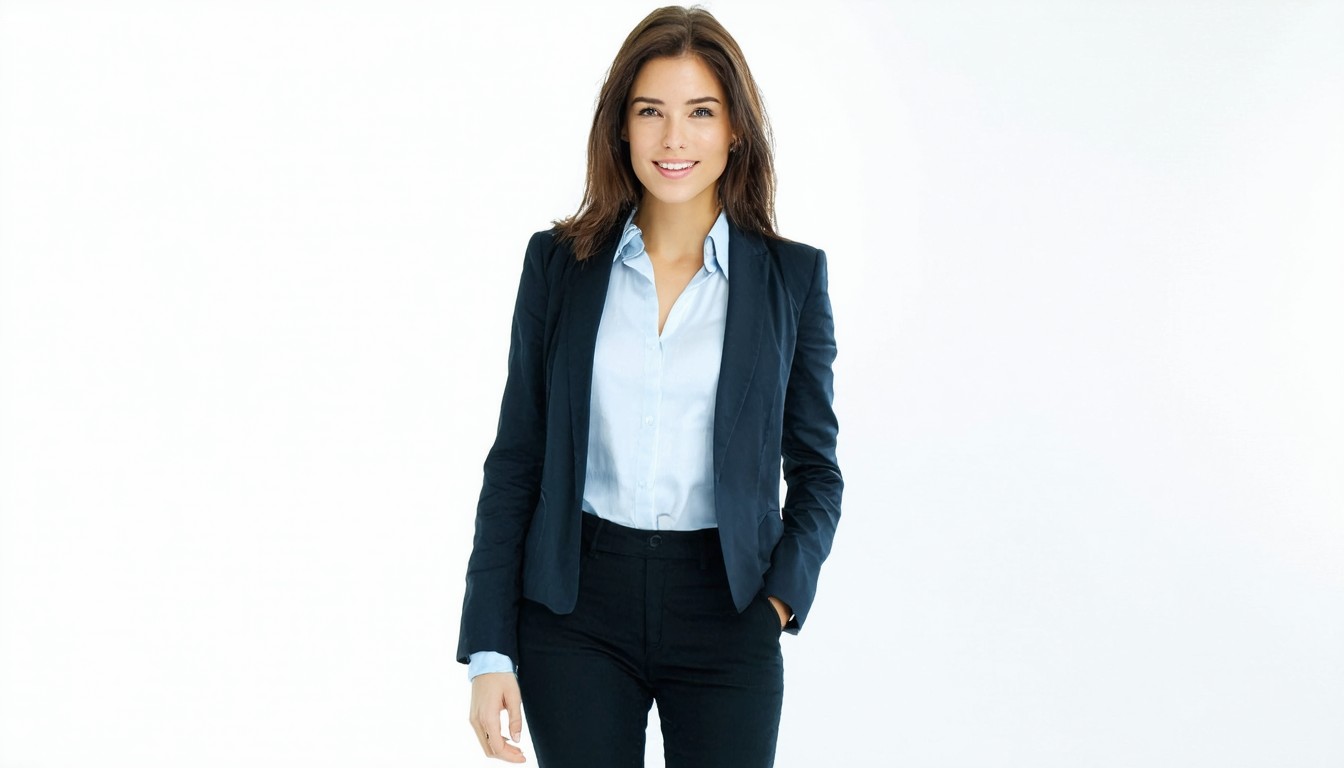
In today’s evolving workplaces, the definition of “business casual” for women has shifted notably. Instead of rigid dress codes, a blend of comfort, style, and professionalism now defines the standard. Many leading organizations have updated their policies to encourage individuality while maintaining a cohesive, professional look. As remote and hybrid work models persist, women are seeking wardrobe pieces that offer flexibility and function without compromising on appearance.
Key Essentials for a Polished Business Casual Wardrobe
Building a stylish business casual wardrobe starts with versatile foundation pieces. Tailored trousers, knee-length skirts, and classic blazers provide structure and sophistication. According to a recent industry survey by SHRM, over 70% of companies now permit denim when styled appropriately, signaling a growing acceptance of elevated casualwear at work.
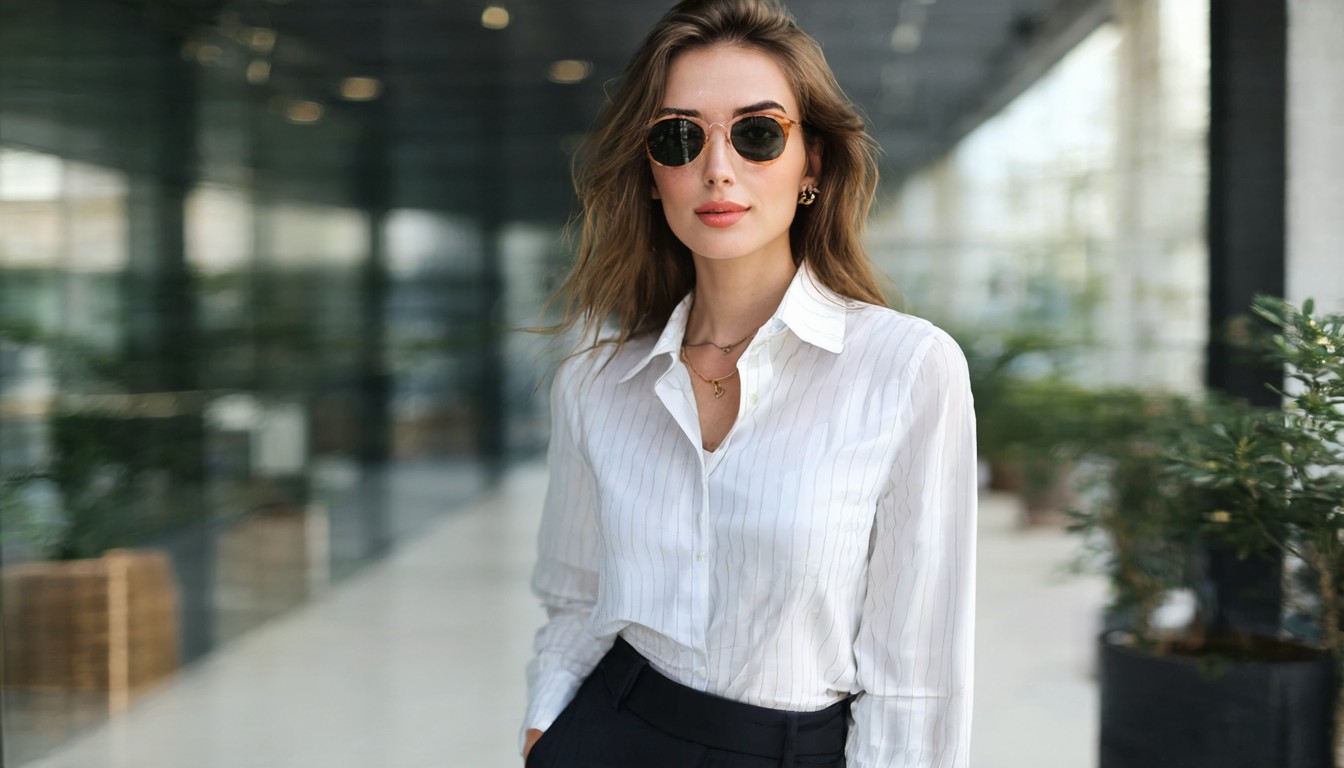
In practice, women are increasingly pairing smart blouses with high-waisted pants or midi skirts, creating balanced silhouettes that transition smoothly from meetings to after-work events. Neutral shades like navy, gray, and camel offer a timeless base, while pops of color or subtle patterns can personalize a look. Shoes such as loafers, block heels, or chic flats add the finishing touch.
“A well-curated business casual wardrobe gives women the confidence to express their personality while upholding professionalism,” notes fashion consultant Lara Mendel. “It’s about finding that equilibrium between self-expression and dress code expectations.”
Style Inspiration: Real-World Office Outfits
Consider a scenario where a project manager at a tech firm opts for dark-wash jeans, a crisp button-down, and a tailored blazer. The look feels approachable yet authoritative—ideal for presentations and day-to-day collaboration. Elsewhere, HR professionals might favor soft knit dresses with waist belts, providing comfort and polish through long workdays.
On the other hand, vibrant accessories and statement jewelry are being embraced, especially in creative industries. These allow women to inject personality into their business casual attire without overstepping professional norms. Retailers like J.Crew and Banana Republic have responded by launching capsule collections focused on mix-and-match pieces for working women, reflecting broader trends toward flexibility and inclusivity.
Conclusion
The modern business casual landscape for women prioritizes adaptability, personal style, and workplace appropriateness. A thoughtfully assembled wardrobe—anchored in classic pieces and personalized by trend-aware details—empowers women to approach every workday with confidence and professionalism.
FAQs
What counts as business casual attire for women?
Business casual usually includes tailored pants, skirts, blouses, dresses, and blazers—excluding overly casual items like ripped jeans, graphic tees, or athletic wear.
Are jeans considered business casual?
In many workplaces, dark-wash or black jeans are acceptable when paired with more formal tops and shoes, though it’s best to check company policy.
Can women wear sneakers in a business casual office?
Some modern offices allow stylish, clean sneakers, especially in creative or tech-driven industries, but loafers or flats are a safer choice for a classic look.
How can I add personality to my business casual outfits?
Accessorizing with statement jewelry, scarves, or colorful shoes is a great way to personalize your outfits while maintaining professionalism.
Are dresses appropriate for business casual?
Yes, especially if knee-length or midi and in subdued colors or patterns. Pairing with a blazer or cardigan ensures a polished appearance.

Leave A Comment