
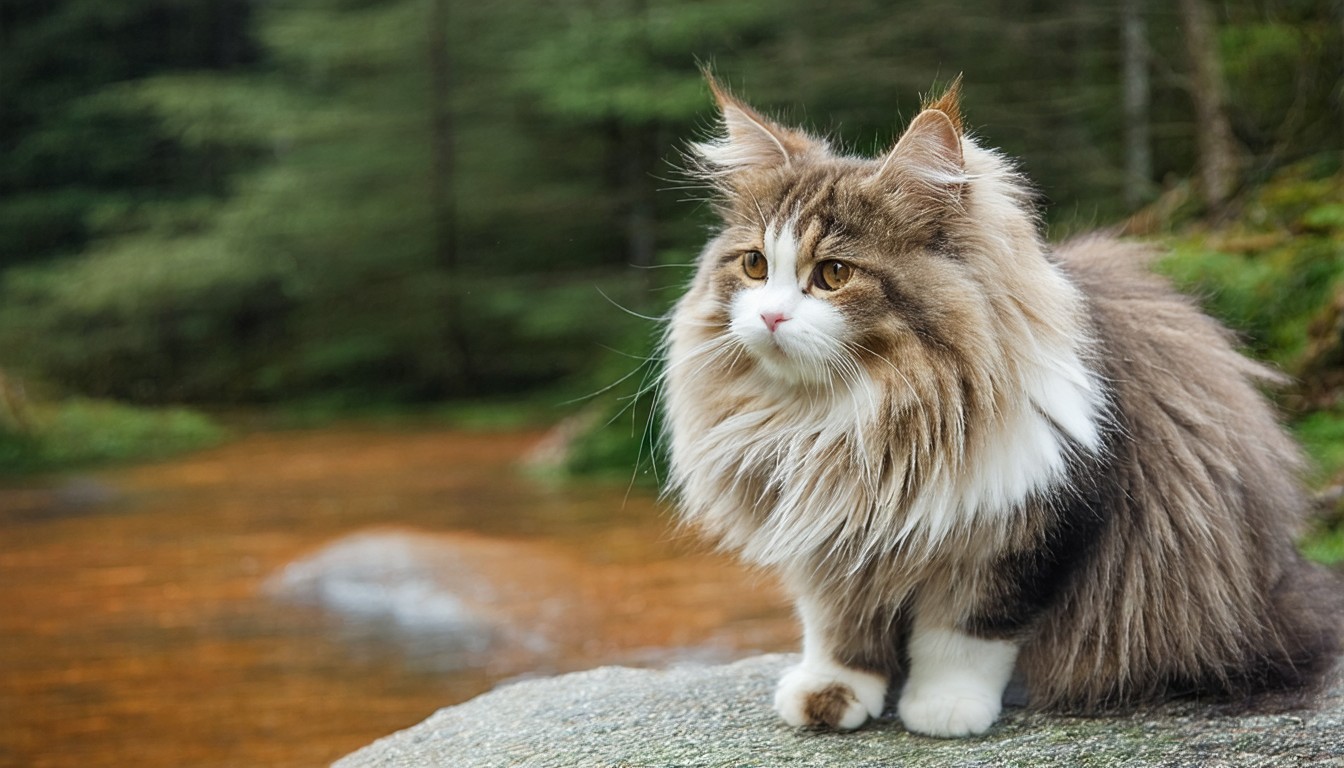
Norwegian Forest Cats, affectionately called “Wegies” by enthusiasts, are among Europe’s most striking natural cat breeds. Originating in Norway’s dense forests centuries ago, these cats evolved to thrive in harsh Scandinavian climates, developing traits that set them apart both physically and behaviorally. Their rise in global popularity can be traced to their robust health, plush double coats, and affectionate temperaments, making them sought-after companions for families and solo pet owners alike.
Distinctive Features and Temperament
Wegies are renowned for their long, water-repellent fur, bushy tails, and prominent ear tufts, all of which serve as protection against cold weather. These cats are generally large—males can weigh over 16 pounds—and possess muscular bodies that hint at their wild ancestry. In terms of personality, the Norwegian Forest Cat is characterized by its gentle, friendly nature and strong independence. They often display dog-like loyalty:
“Norwegian Forest Cats are sociable, intelligent, and adaptable—a blend of traits that has helped them move from mythical Viking shipmates to beloved household pets,”
explains Dr. Marianne Olsen, a Scandinavian feline veterinarian.
Despite their imposing size, they remain calm and affectionate, bonding with all family members without demanding constant attention. Compared to other longhaired breeds, Wegies tend to be less vocal and better at self-entertainment.
Essential Care and Health Considerations
Caring for a Norwegian Forest Cat centers around managing its luxurious coat and addressing breed-specific health risks. Weekly combing reduces matting, especially during seasonal sheds. While generally healthy due to natural selection in their native habitat, some may be prone to conditions like hypertrophic cardiomyopathy or glycogen storage disease, though these are relatively rare. Keeping up with annual vet checkups and maintaining an active lifestyle are key to ensuring their longevity—many live beyond 14 years.
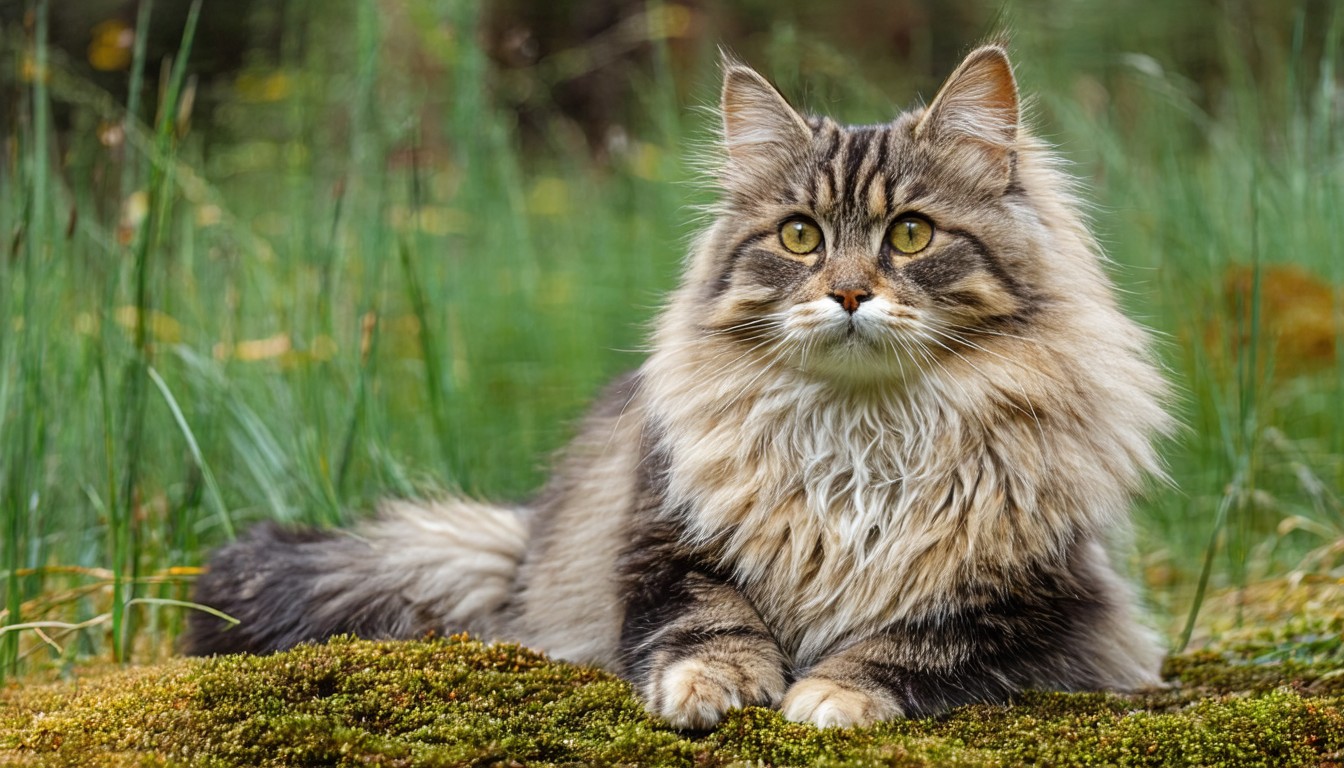
Beyond grooming, enrichment activities, such as interactive play and climbing structures, are vital for their physical and mental well-being. This breed’s intelligence and athleticism shine in homes with room to romp and explore.
Conclusion
The Norwegian Forest Cat offers a rare blend of wild beauty, resilience, and affectionate personality. With their adaptable disposition and low-maintenance requirements, they continue to charm cat lovers worldwide. Potential owners should ensure regular care and ample enrichment to foster a long, healthy partnership with this unique breed.
FAQs
What is the origin of the Norwegian Forest Cat?
The breed developed naturally in Norway’s forests over centuries, making it exceptionally suited to cold climates.
Are Norwegian Forest Cats good with children and other pets?
Yes, they are typically gentle and adaptable, often doing well in multi-pet households and with kids.
How much grooming does this breed require?
Weekly brushing is sufficient for most of the year, though increased attention is needed during seasonal shedding.
Do Norwegian Forest Cats have any common health issues?
They are generally healthy, but can be predisposed to specific conditions like heart disease; regular vet visits help manage risks.
What kind of environment is best for a Norwegian Forest Cat?
These cats thrive with access to climbing spaces, interactive toys, and plenty of room to explore and play.

Leave A Comment